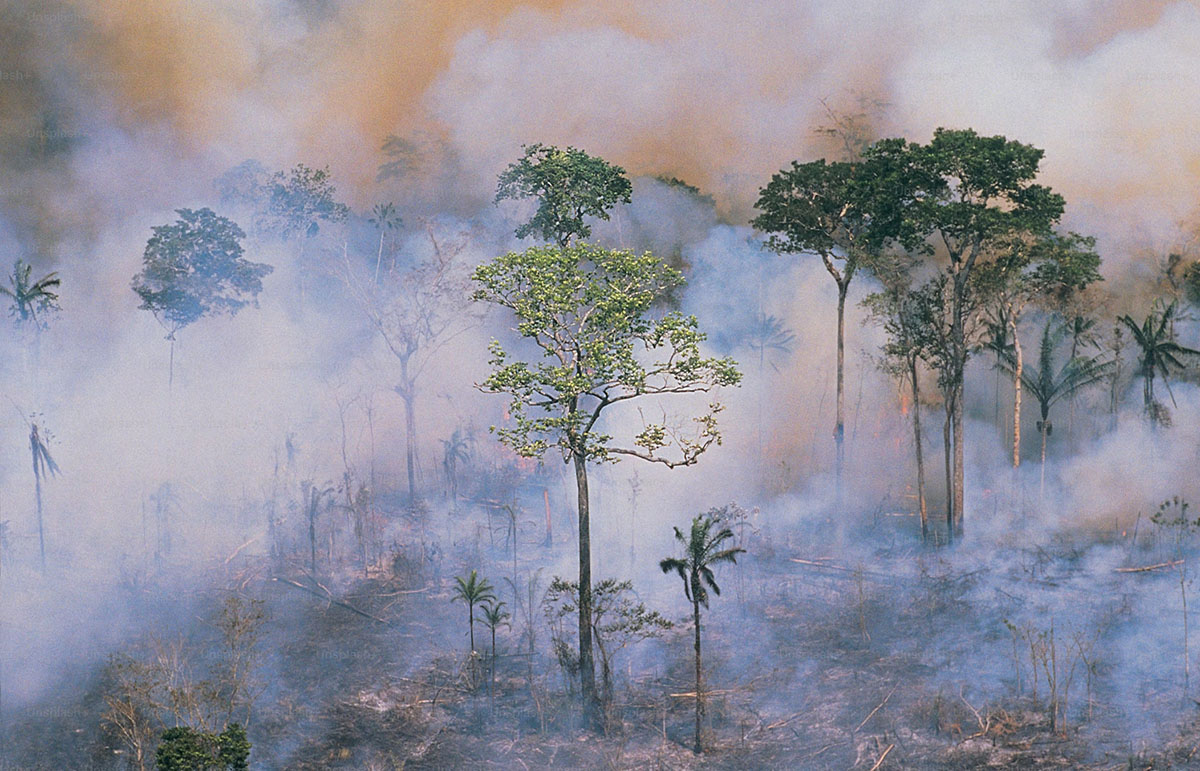
Climate Change and Business Continuity
Climate change is an undeniable reality that poses significant risks to businesses worldwide. From extreme weather events to rising sea levels, environmental disruptions can severely impact operations. Preparing for these challenges through robust business continuity planning is essential for long-term resilience.
Understanding Climate Risks
- Extreme Weather Events: Increased frequency and intensity of hurricanes, floods, wildfires, and storms can disrupt supply chains, damage infrastructure, and halt operations.
- Rising Sea Levels: Coastal businesses face the risk of flooding and erosion, threatening physical assets and necessitating relocation or adaptation measures.
- Temperature Variability: Extreme temperatures can affect energy consumption, employee health, and the stability of physical and technological infrastructure.
Integrating Climate Change into Business Continuity Planning
- Risk Assessment: Conduct comprehensive risk assessments to identify and evaluate the potential impacts of climate change on business operations. This includes mapping out vulnerable areas and critical assets.
- Adaptation Strategies: Develop strategies to adapt to climate risks, such as reinforcing infrastructure, diversifying supply chains, and investing in renewable energy sources.
- Sustainable Practices: Implement sustainable business practices to reduce carbon footprints and contribute to global efforts to mitigate climate change. This includes energy efficiency, waste reduction, and sustainable sourcing.
- Emergency Response Plans: Create detailed emergency response plans for various climate scenarios. Ensure these plans are regularly tested and updated based on new information and experiences.
Benefits of Climate-Responsive Continuity Planning
- Reduced Risk: Proactively addressing climate risks reduces the likelihood of severe disruptions and financial losses.
- Enhanced Reputation: Demonstrating a commitment to sustainability and climate resilience enhances brand reputation and attracts environmentally conscious customers and investors.
- Regulatory Compliance: Adhering to evolving environmental regulations and standards ensures compliance and avoids legal and financial penalties.
- Long-Term Sustainability: Investing in climate resilience contributes to the long-term sustainability and viability of the business.
Case Studies
- IKEA: The furniture giant has integrated climate resilience into its business continuity planning by investing in renewable energy, sustainable sourcing, and resilient supply chains. IKEA’s proactive approach has minimized disruptions and enhanced its reputation as a sustainable brand.
- Google: Google’s data centers are powered by renewable energy, and the company has implemented comprehensive climate risk assessments to protect its infrastructure from environmental disruptions. This forward-thinking strategy ensures operational continuity and aligns with Google’s commitment to sustainability.
Conclusion
Climate change poses significant risks to business continuity, but proactive planning and adaptation can mitigate these impacts. By integrating climate considerations into continuity plans, businesses can enhance their resilience, protect their operations, and contribute to a sustainable future.